
Top Practices in EV Excavation and Construction
- Jhon Jair Grisales

- Sep 19, 2025
- 4 min read
When it comes to transforming outdoor spaces, the foundation of any successful project lies in the excavation and construction phase. Whether you are preparing your property for a new driveway, patio, or a full-scale building, understanding the best excavation techniques for construction is essential. Proper excavation ensures stability, safety, and longevity for your project. As a trusted provider of outdoor services in New Jersey, we focus on delivering precise and reliable results that meet your needs.
Excavation is more than just digging a hole. It involves careful planning, the right equipment, and skilled execution. In this post, I will share some of the top practices in excavation and construction that help homeowners and businesses achieve outstanding outdoor transformations.
Understanding Excavation Techniques for Construction
Excavation techniques vary depending on the project size, soil type, and site conditions. Here are some of the most common methods used in construction excavation:
Trench Excavation: Used for laying pipes, cables, or foundations. Trenches are narrow and deep, requiring careful shoring to prevent collapse.
Basement Excavation: Involves digging large areas to create space for basements or underground rooms.
Surface Excavation: Removing topsoil and leveling the ground for landscaping or paving.
Pit Excavation: Creating holes for swimming pools, ponds, or septic tanks.
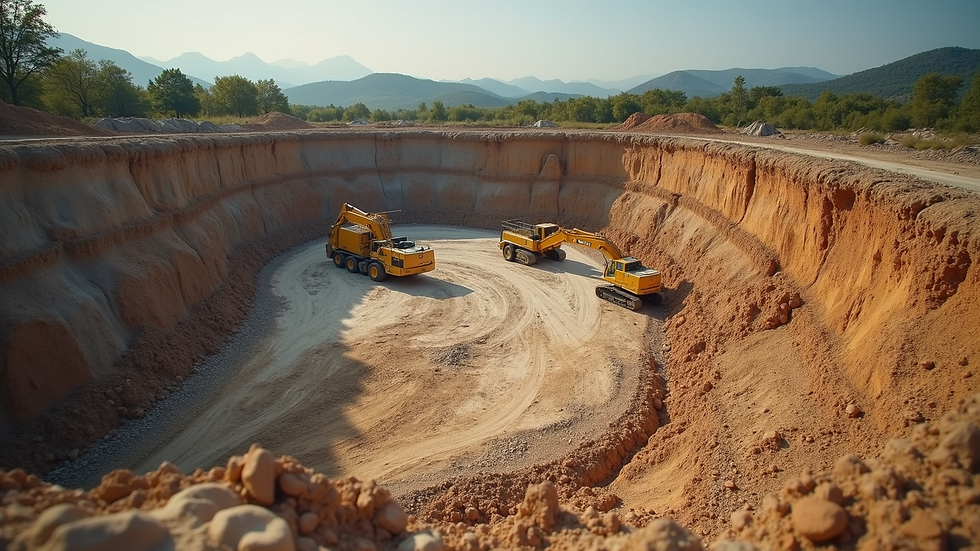
Each technique requires specific equipment such as backhoes, bulldozers, or excavators. Choosing the right method depends on the project goals and site conditions.
Key considerations for excavation include:
Soil type and stability
Water table level
Proximity to existing structures
Environmental regulations
By understanding these factors, you can avoid common pitfalls like soil erosion, water damage, or structural instability.

Essential Equipment and Safety Measures
Using the right equipment is crucial for efficient and safe excavation. Here are some tools and machines commonly used:
Excavators - Versatile machines for digging and moving large amounts of soil.
Backhoes - Ideal for smaller projects and tight spaces.
Bulldozers - Used for pushing large quantities of soil and leveling.
Dump Trucks - Transport excavated material off-site.
Compactors - Compact soil to create a stable base.
Safety is a top priority during excavation. Always ensure:
Proper shoring and bracing to prevent trench collapses.
Clear marking of underground utilities before digging.
Use of personal protective equipment (PPE) such as helmets, gloves, and boots.
Regular inspection of equipment and site conditions.
Following these safety protocols protects workers and prevents costly delays.

Planning and Site Preparation for Successful Excavation
Before breaking ground, thorough planning and site preparation are essential. Here’s a step-by-step approach:
Site Survey: Conduct a detailed survey to understand topography, soil composition, and existing structures.
Permits and Regulations: Obtain necessary permits and ensure compliance with local building codes.
Utility Location: Identify and mark underground utilities like water, gas, and electrical lines.
Clearing and Grubbing: Remove vegetation, debris, and obstacles from the site.
Erosion Control: Implement measures such as silt fences or sediment basins to protect nearby water bodies.
Proper planning minimizes surprises during excavation and keeps the project on schedule.
Best Practices for Soil Management and Disposal
Excavation generates a significant amount of soil and debris. Managing this material responsibly is vital for environmental and project success.
Soil Testing: Analyze soil to determine if it can be reused or needs special handling.
Stockpiling: Store excavated soil in designated areas to prevent contamination.
Recycling: Use clean soil for backfilling or landscaping to reduce waste.
Disposal: Transport unsuitable soil to approved disposal sites following local regulations.
Efficient soil management reduces costs and environmental impact.
Enhancing Your Project with Professional Excavation Services
Partnering with experienced professionals ensures your excavation and construction project runs smoothly. We provide comprehensive services that cover every aspect of outdoor transformation. From detailed landscaping and hardscaping installations to full-scale construction projects, our team is equipped to handle it all.
If you want reliable and high-quality results, consider working with experts who understand the unique challenges of New Jersey’s terrain and climate. For example, our ev excavation and construction services combine precision with efficiency to deliver lasting value.
Preparing Your Property for Long-Term Success
After excavation and construction, proper finishing touches are essential to protect your investment. Here are some tips:
Drainage Solutions: Install drainage systems to prevent water pooling and soil erosion.
Soil Stabilization: Use geotextiles or other materials to reinforce soil in vulnerable areas.
Landscaping: Plant grass, shrubs, or trees to stabilize soil and enhance aesthetics.
Regular Maintenance: Inspect and maintain structures and drainage to avoid future problems.
Taking these steps ensures your outdoor space remains functional and beautiful for years to come.
By following these top practices in excavation techniques for construction, you can achieve a solid foundation for any outdoor project. Whether it’s a small landscaping job or a large construction endeavor, careful planning, the right equipment, and professional expertise make all the difference. Reach out to us to learn how we can help you transform your property with confidence and quality.


Comments